
Introduction
How Much Does Garage Management Software Cost? This is one of the most common questions for garage owners today. However, the answer is not always simple because pricing depends on features, business size, and deployment type.
Moreover, modern garage software does more than just billing. It manages jobs, inventory, clients, and reporting. Therefore, understanding cost helps you choose a system that delivers real value and long-term efficiency.
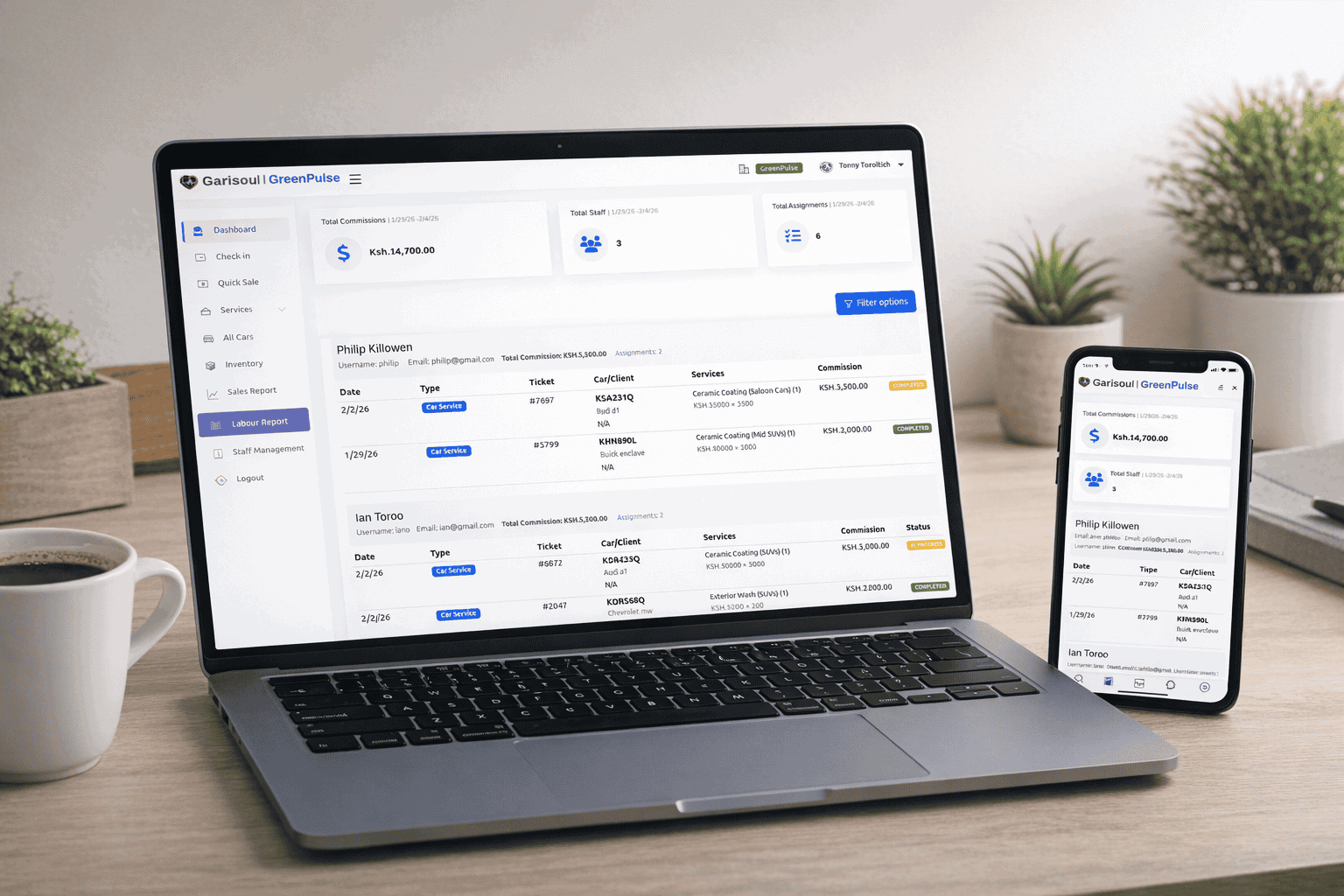
What is Garage Management Software?
Garage management software is a digital system that helps automotive businesses manage daily operations. It handles job cards, inventory, billing, and customer records in one place.
Additionally, it reduces manual work and improves accuracy. As a result, garage owners can focus more on service quality instead of paperwork.
How Much Does Garage Management Software Cost?
How Much Does Garage Management Software Cost? On average, pricing ranges from affordable monthly subscriptions to advanced enterprise packages. However, costs vary depending on features and business needs.
Moreover, most providers offer flexible pricing models. Therefore, businesses can choose plans based on size and usage.
1. Small Garage Pricing
Small garages usually pay lower monthly fees. Typically, these plans include basic job tracking, invoicing, and inventory features.
Additionally, they are ideal for startups or single-location garages.
2. Medium Garage Pricing
Medium-sized garages require more advanced tools. Therefore, pricing increases due to added features like multi-user access and reporting systems.
Moreover, these systems often include CRM tools and automated alerts.
3. Enterprise Garage Pricing
Large garages or multi-branch businesses require enterprise-level software. Consequently, pricing is higher due to advanced integrations and customization.
Additionally, these systems offer full automation and cloud scalability.
Key Factors That Affect Software Cost
Several factors influence pricing. Moreover, understanding them helps businesses make smarter decisions.
- Number of users and staff accounts
- Features such as inventory and CRM tools
- Cloud-based vs on-premise systems
- Integration with other business tools
- Level of customer support provided
Hidden Costs You Should Know
Many businesses focus only on subscription fees. However, hidden costs can affect the total investment.
Setup and Training Costs
Additionally, some providers charge for onboarding and staff training. Therefore, it is important to ask upfront.
Upgrade Fees
Moreover, advanced features may require paid upgrades. As a result, long-term planning is essential.
Support and Maintenance
Some systems include support in the package. However, others charge separately for premium assistance.
Benefits of Investing in Garage Management Software
Although cost is important, value matters more. Therefore, businesses should focus on long-term benefits.
- Improved job tracking and scheduling
- Faster billing and invoicing
- Better customer management
- Reduced operational errors
- Increased productivity and efficiency
Moreover, these benefits directly improve profitability and customer satisfaction.
How Pricing Connects to Business Growth
Investing in the right software improves business performance. Additionally, it reduces manual workload and increases accuracy.
For example, automated job tracking ensures faster service delivery. As a result, customer satisfaction improves significantly.
To explore tailored solutions, visit garage software consultation experts.
Comparing Pricing Models
Monthly Subscription Model
This is the most common pricing model. Therefore, businesses pay a fixed monthly fee.
One-Time License Model
Additionally, some providers offer lifetime licenses. However, they may include separate maintenance costs.
Pay-As-You-Go Model
Moreover, this model charges based on usage. Consequently, it is flexible for small businesses.
Why Cheap Software May Cost More Later
Choosing the cheapest option is not always wise. However, low-cost systems often lack essential features.
For example, limited reporting and poor support can slow down operations. Therefore, businesses may end up spending more in the long run.
Best Features to Look For
When evaluating cost, features matter just as much. Moreover, the right features improve efficiency and reduce workload.
- Job card and work order management
- Inventory tracking system
- Customer relationship management
- Automated invoicing system
- Cloud-based access and reporting
Industry Use Cases
Garage management software is widely used across automotive and service industries.
For example, car repair shops use it to track repairs and parts. Similarly, detailing and wash centers use it for scheduling and billing.
Learn more about service automation at business automation solutions and modern service management platforms.
How to Choose the Right Software for Your Garage
Choosing the right system requires careful evaluation. Moreover, businesses should focus on long-term value instead of just price.
- Identify your business size and needs
- Compare features and pricing plans
- Check scalability options
- Evaluate customer support quality
- Request a demo before purchase
Future of Garage Management Software Pricing
Technology continues to evolve. Moreover, AI and automation are shaping future pricing models.
As a result, software will become more predictive and efficient. Therefore, pricing may shift toward usage-based and intelligent systems.
Conclusion
So, How Much Does Garage Management Software Cost? The answer depends on your business size, features, and long-term goals.
However, investing in the right system delivers strong returns. Therefore, businesses that adopt modern software gain efficiency, accuracy, and higher profits.
Frequently Asked Questions (FAQ)
1. Is garage management software expensive?
No, pricing varies. Small businesses can start with affordable monthly plans.
2. What is included in most software packages?
Most include job tracking, billing, inventory, and customer management tools.
3. Are there hidden costs?
Yes, some providers charge for setup, training, or advanced features.
4. Is cloud-based software better?
Yes, it offers flexibility, remote access, and real-time updates.
5. Can I upgrade later?
Yes, most systems allow upgrades as your business grows.