
Car Wash Business Plan in Kenya: A Practical 2026 Guide
Starting a car wash business in Kenya requires more than finding a suitable location and buying washing equipment. You need a clear business plan covering startup costs, equipment, permits, pricing, staffing, marketing and financial projections. You also need a reliable way to monitor sales, expenses, cleaning supplies and daily operations once the business opens.
This guide explains how to prepare a car wash business plan in Kenya, estimate your investment, choose the right business model and calculate whether your business can cover its operating costs. Whether you plan to open a small manual car wash, a vehicle detailing centre or a larger automated facility, these steps can help you make informed decisions before investing your money.
1. Research the Car Wash Business Market in Kenya
Before investing in a car wash, research demand in your proposed location. Consider residential estates, commercial centres, office areas, shopping centres and other locations where vehicle owners may need convenient cleaning services.
Visit existing car washes and compare their services, pricing, customer experience, waiting times and operating hours. Identify what customers value and where competitors may be falling short.
Your potential customers may include:
- Private car owners looking for regular vehicle cleaning.
- Taxi and ride-hailing drivers who need frequent washing.
- Corporate fleets and businesses operating company vehicles.
- Vehicle dealerships and used-car sellers.
- Customers looking for interior cleaning and detailing.
Do not assume that a busy road guarantees enough paying customers. Evaluate accessibility, parking space, competition, water availability, rent and the suitability of the premises before making a commitment.
2. Choose the Right Car Wash Business Model
Your business model affects your startup budget, equipment requirements, staffing levels and potential revenue. Choose an option that matches your available capital, target customers and expected demand.
Manual Car Wash
A manual car wash uses employees and appropriate washing equipment to clean vehicles. It may be suitable for entrepreneurs starting with a relatively simple operation. Your budget should account for equipment, cleaning products, water storage where needed, drainage, premises and staff.
Car Wash and Detailing Centre
A detailing business offers additional services such as interior deep cleaning, upholstery cleaning, polishing and waxing. These services can increase the value of each customer transaction, but they may require specialised equipment, trained employees and more time per vehicle.
Automatic Car Wash
An automatic car wash uses machinery to perform some or most of the cleaning process. Before investing, obtain equipment and installation quotations, confirm site requirements and estimate the customer volume needed to support the investment.
Mobile Car Wash
A mobile car wash provides cleaning services at customer homes, workplaces or other permitted locations. Consider transport, scheduling, portable equipment, water supply and the practical costs of reaching customers.
3. Estimate the Cost of Starting a Car Wash in Kenya
The cost of starting a car wash in Kenya depends on the business model, location, equipment quality, site preparation and working capital required. A manual operation and an automated facility will have different investment requirements.
Prepare a startup budget that includes the following expense categories:
| Expense | What to include |
|---|---|
| Premises | Rent, lease deposit and approved site preparation. |
| Equipment | Pressure washers, vacuum cleaners, hoses and accessories. |
| Water and drainage | Water storage, plumbing and appropriate wastewater management. |
| Cleaning supplies | Detergents, brushes, cloths and protective equipment. |
| Permits and compliance | Applicable county permits and other required approvals. |
| Staffing | Recruitment, training, wages and related employment costs. |
| Marketing | Signage, branding, local advertising and online visibility. |
| Technology | Payment tools, business records and management software. |
| Working capital | Funds for rent, supplies, wages and other early operating expenses. |
These are budgeting categories, not fixed market prices. Obtain current quotations from suppliers and confirm applicable charges with the relevant authorities. Keep a contingency reserve for unexpected expenses instead of committing your entire budget to equipment.
4. Understand Car Wash Permits and Compliance
Before opening, establish which business permits and other approvals apply to your proposed location and activities. Requirements can vary by county and premises.
Investigate business registration, county business permits, water supply, wastewater disposal, environmental requirements, taxation and workplace obligations. Depending on your operation, additional approvals or controls may apply.
Consult the relevant authorities before signing a lease or beginning construction. Useful starting points include the Business Registration Service, the Kenya Revenue Authority and the National Environment Management Authority.
5. Set Your Car Wash Prices
Your prices should cover the cost of delivering each service while remaining appropriate for your target customers and local competition.
Possible services include:
- Basic exterior washing.
- Exterior washing with interior vacuuming.
- Interior cleaning and detailing.
- Upholstery cleaning where suitable equipment is available.
- Waxing and polishing.
- Fleet washing under agreed service terms.
Calculate the direct cost of each service, including labour, water, electricity and cleaning products. Then account for fixed expenses such as rent, administration, maintenance and other operating commitments.
For example, if a wash costs KSh 200 in direct expenses and sells for KSh 500, the contribution is KSh 300 before fixed costs and other expenses. This is not the same as net profit.
6. Calculate Car Wash Revenue and Profitability
A financial projection helps you estimate sales, operating expenses and the number of vehicles your car wash needs to serve. Use conservative assumptions based on local research rather than assuming every washing bay will always be busy.
Calculate Monthly Revenue
Monthly revenue = Vehicles served per day × Average revenue per vehicle × Operating days per month
For illustration, suppose your car wash serves 15 vehicles per day, earns an average of KSh 500 per vehicle and operates for 26 days each month.
15 × KSh 500 × 26 = KSh 195,000 in monthly revenue.
This is a hypothetical example, not a guarantee of earnings. Actual revenue depends on customer demand, service mix, pricing, operating capacity and seasonality.
Calculate Monthly Expenses
List recurring expenses separately, including rent, wages, water, electricity, cleaning supplies, maintenance, transport, marketing, software subscriptions and applicable taxes.
Compare your actual expenses with your budget every month. This helps you identify rising costs and understand whether increasing sales is translating into stronger financial performance.
Calculate Your Break-Even Point
Break-even services = Monthly fixed costs ÷ Contribution per service
For example, if monthly fixed costs are KSh 90,000 and each service contributes KSh 300 after variable costs, the business needs 300 services per month to cover those fixed costs.
At 26 operating days, that is approximately 12 services per day. This simplified calculation excludes any costs not already included in the assumptions, such as financing costs and taxes.
7. Create a Marketing Plan for Your Car Wash
A car wash business plan should explain how you will attract new customers and encourage existing customers to return.
Build Your Local Online Presence
Create and maintain an accurate Google Business Profile with your business details, opening hours, services and genuine photographs. Encourage honest customer reviews and respond professionally to feedback.
Use a Website and Local SEO
A website can display your services, pricing, location and opening hours. Publish helpful information about car care and your services so potential customers can discover your business through relevant searches.
Encourage Repeat Visits
Consistent service quality, convenient payment options, customer records and affordable loyalty rewards can help encourage repeat business. Track the results to understand which activities actually bring customers back.
Build Business Partnerships
Consider working with offices, vehicle dealerships, taxi operators and fleet owners. Agree on service standards, pricing and payment terms before accepting recurring work.
8. Plan Your Staff and Daily Operations
Define responsibilities for vehicle check-in, washing, drying, detailing, payment handling and final quality checks. Clear procedures help employees work consistently and reduce confusion during busy periods.
Train staff to use equipment correctly, handle cleaning products safely and treat customers professionally. Monitor service quality, completed jobs, waiting times and customer feedback rather than measuring performance by vehicle numbers alone.
Establish a daily routine for checking sales, reconciling payments, replenishing supplies and reviewing any customer complaints or incomplete jobs.
9. Use Car Wash Management Software to Control Operations
Opening a car wash is only the beginning. As your customer numbers and staff increase, managing vehicle check-ins, service assignments, payments, inventory and daily sales manually can become difficult.
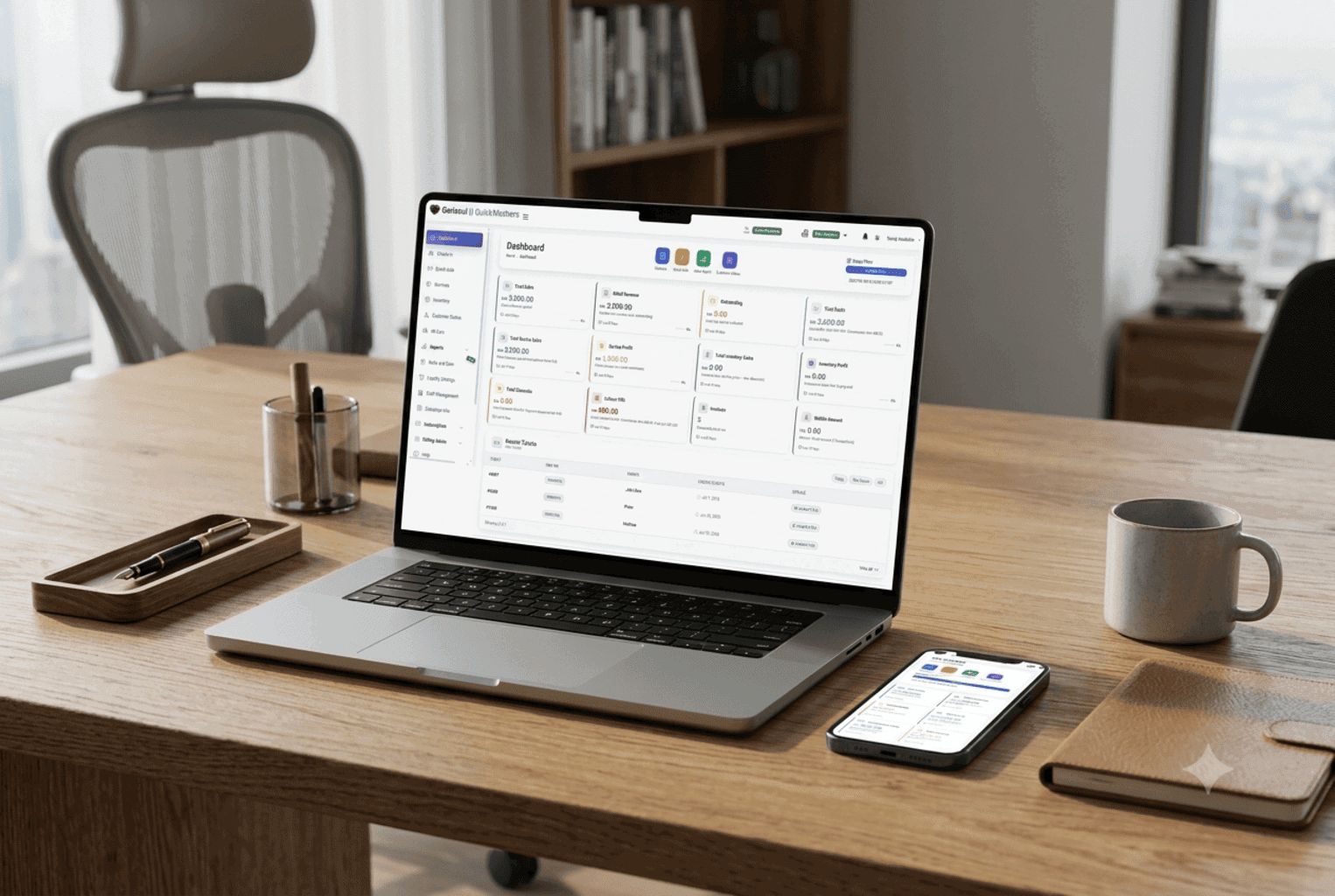
A structured car wash management system in Kenya can help organise important business records in one place.
When evaluating software, look for features that match your actual operating requirements, such as:
- Vehicle check-ins: Record incoming vehicles and the services requested.
- Service and pricing management: Organise wash packages and prices.
- Sales and payment tracking: Maintain transaction records and support payment reconciliation.
- Staff management: Organise employee responsibilities and monitor activity.
- Inventory management: Track cleaning supplies and identify stock discrepancies.
- Customer records: Maintain service histories and support customer retention.
- Business reports: Review recorded sales and operational performance.
GariSoul provides business management software for car washes, garages, laundries and other service-based businesses. Its car wash management capabilities help businesses organise services, staff, inventory, sales and reporting through a digital workflow.
Choose a system based on the features, pricing, integrations and reporting options your business actually needs. Software can improve record-keeping and visibility, but profitability still depends on sound pricing, customer demand and cost control.
10. Prepare Your Car Wash Business Plan
Before launching, put your research and financial estimates into a written plan. Use the following checklist to make sure the important areas are covered.
- Executive summary and business objectives.
- Market research and competitor analysis.
- Target customers and selected business model.
- Proposed location and site requirements.
- Equipment list and supplier quotations.
- Startup budget and working capital.
- Applicable permits and compliance requirements.
- Services, pricing and cost calculations.
- Staffing and daily operating procedures.
- Marketing and customer retention strategy.
- Monthly revenue, expenses and break-even projections.
- Sales tracking, inventory control and business reporting.
Review the plan regularly as you gather real sales and expense data. Update your assumptions when supplier prices, customer demand or operating conditions change.
Frequently Asked Questions About Starting a Car Wash in Kenya
How much money do I need to start a car wash in Kenya?
The amount depends on your location, business model, equipment, premises, water arrangements and working capital. Obtain current supplier quotations and prepare a complete budget before investing.
Is a car wash business profitable in Kenya?
A car wash can be profitable when demand, pricing, service quality and operating expenses are managed effectively. Calculate your contribution per service and break-even point before making investment decisions. Profit is not guaranteed.
Which equipment do I need for a car wash?
Equipment depends on the services you plan to offer. A basic operation may require pressure-washing equipment, hoses, cleaning products and protective equipment. Vacuum cleaners and specialised detailing tools may be necessary for additional services.
How can I manage a car wash business more efficiently?
Establish consistent procedures for vehicle check-ins, service delivery, payments, staff responsibilities and stock management. Digital management software can help maintain organised records and make it easier to review business performance.
Can I use car wash management software for a small business?
Yes. Evaluate software based on your current needs, budget and plans for growth. Even a small operation can benefit from organised transaction records, service tracking and regular sales reviews when these features fit its workflow.
Conclusion: Build a Car Wash Business on a Practical Plan
A strong car wash business plan in Kenya begins with market research, a suitable location, a realistic startup budget and a clear understanding of your operating costs. Choose services that match customer demand, set prices carefully and calculate the number of vehicles you need to serve to cover your expenses.
After opening, review your sales, expenses, inventory and staff performance consistently. As the business grows, suitable management software can help you maintain organised records and make decisions using reliable operational information.
Planning to start or grow a car wash business? Explore GariSoul’s car wash management software to learn how digital tools can help you organise daily operations and manage your business more effectively.